



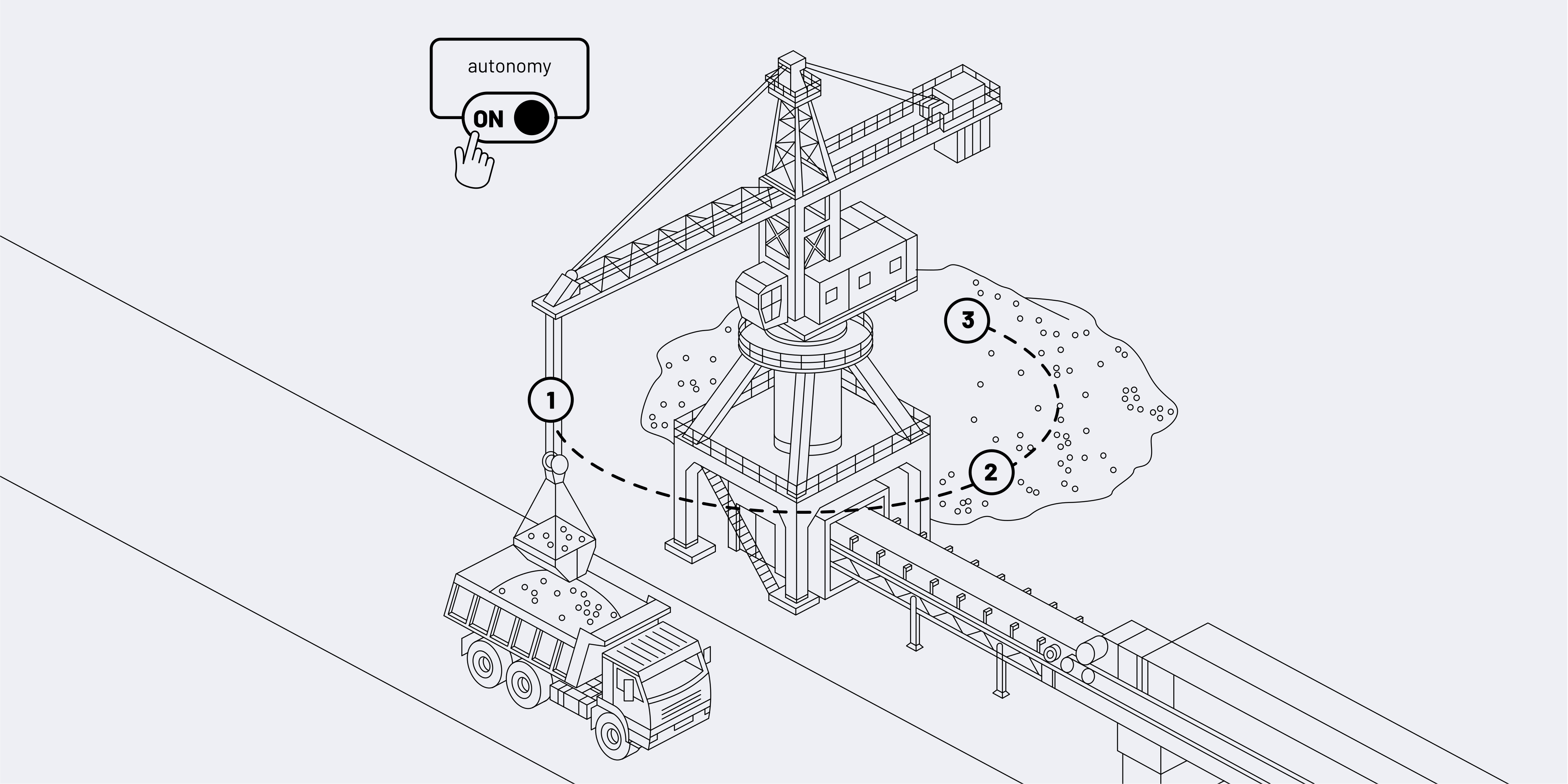
Vollautomatischer Kranbetrieb mit AutoCrane-Technologie
Vollständig autonom arbeitender Kran
AutoCrane steuert mit Künstlicher Intelligenz den Kran und führt alle Routineaufgaben selbstständig, also autonom aus. Der Kranführer überwacht lediglich die Aktivitäten des Krans. Nur in Ausnahmesituationen muss der Kranführer eingreifen.
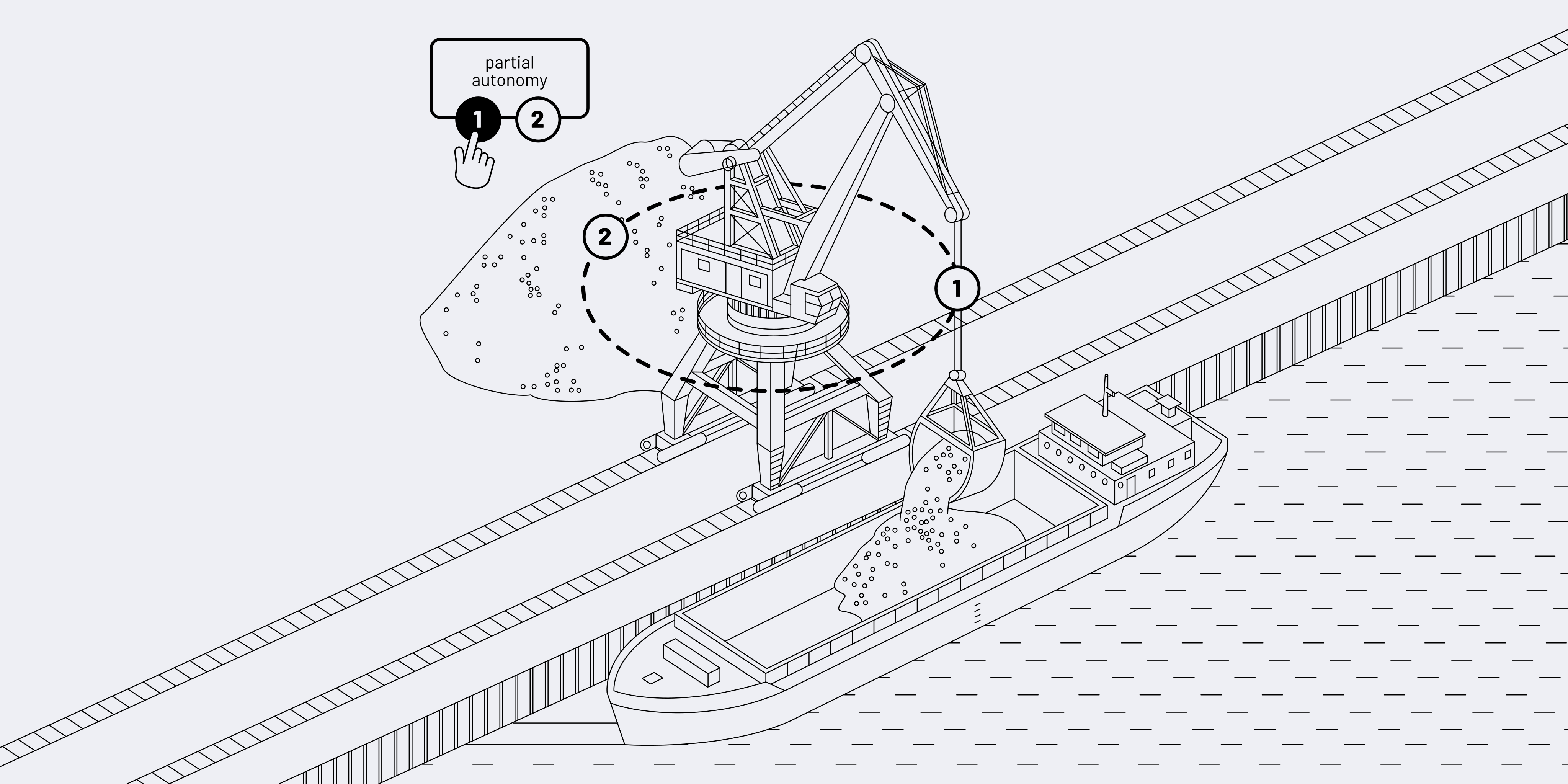
Mit Teilautonomie einzelne Aufgaben autonom ausführen
Teilautonome Funktionen für Krane
Ist der Einsatz der vollständigen Autonomie nicht erwünscht oder möglich, führt das System bestimmte Einzelaufgaben automatisch aus, während andere Aufgaben vom Kranführer gesteuert werden. Dabei berücksichtigt das System flexibel alle Umgebungsparameter.
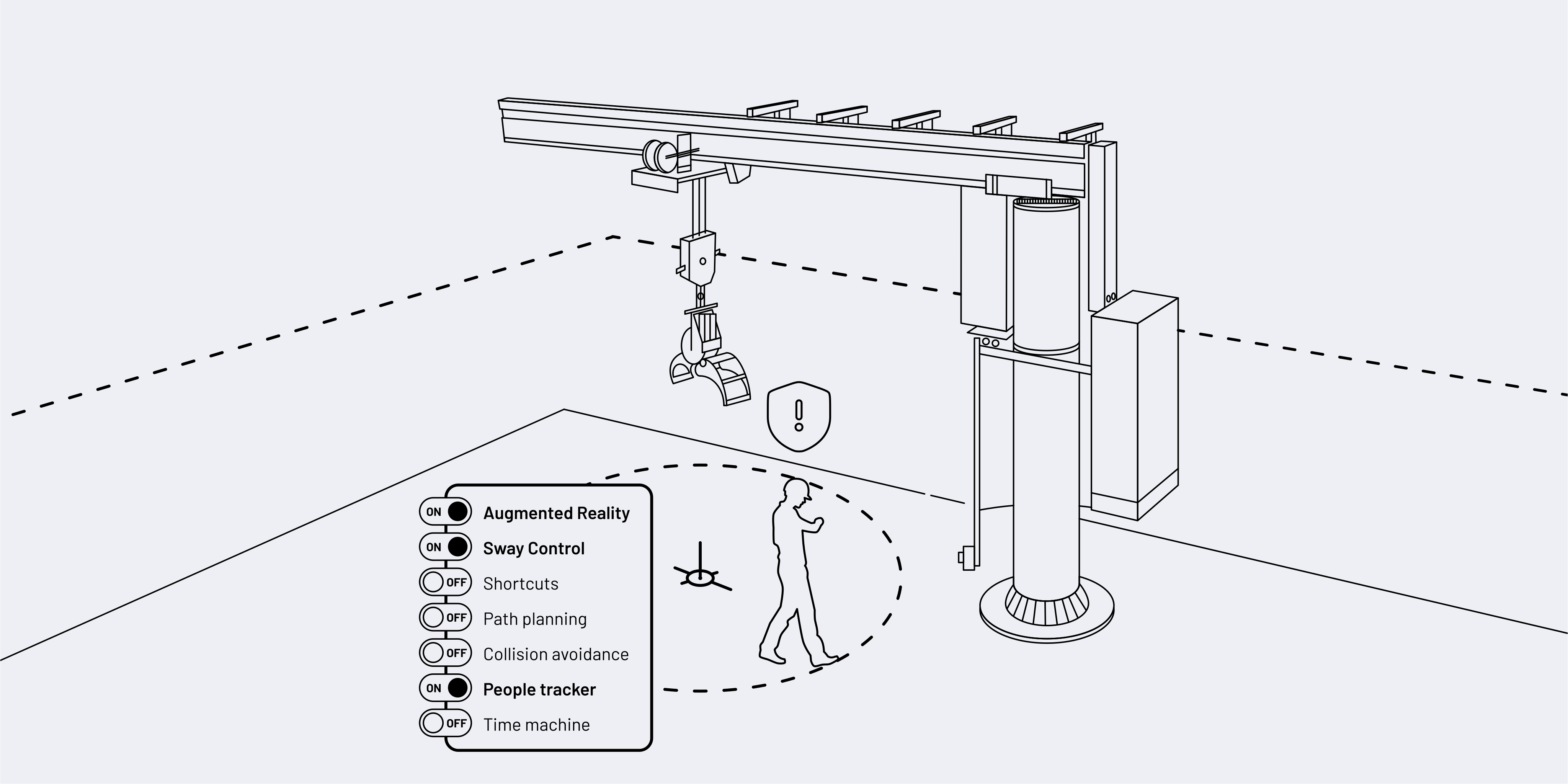
KI-basierte Assistenzfunktionen für Kranführer
Intelligente Funktionen zur Kransteuerung
Stellen Sie Ihren Kranführern einzelne AutoCrane-Komponenten zur Unterstützung zur Verfügung. Die aktive Unterdrückung von Pendelbewegungen (linear oder Rotation), das Setzen von Wegpunkten zur automatischen Zielanfahrt, die Nutzung von Augmented Reality für Kranführer und die Aufzeichnung der Betriebsdaten während der Fahrt – diese und weitere Funktionen erleichtern Kranführern ihre Arbeit und erhöhen Geschwindigkeit, Sicherheit sowie Effizienz am Arbeitsplatz.
Praxisgerechte Steuerung für den autonomen Kran
Ein modernes, funktionales HMI
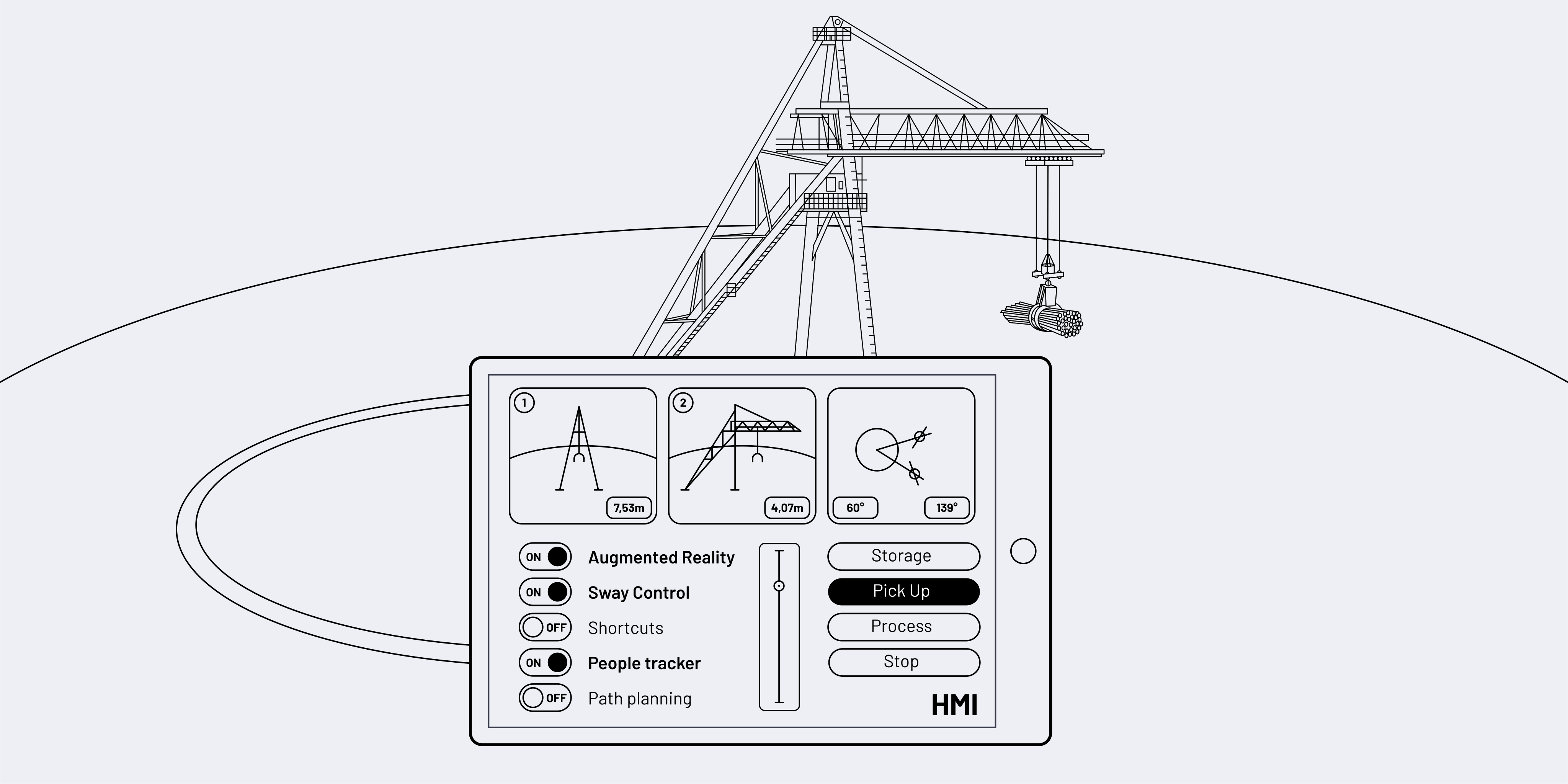
Unser übersichtliches, modernes HMI (Human-Machine-Interface) zeigt die aktuelle sowie die von der KI geplante Aktivität des Krans an und ermöglicht es dem Kranführer, die Vollautonomie zu aktivieren oder einzelne Aktivitäten durchführen zu lassen.
Mehr
Die Technologie von autonomen Kranen
Industrial AI im Einsatz
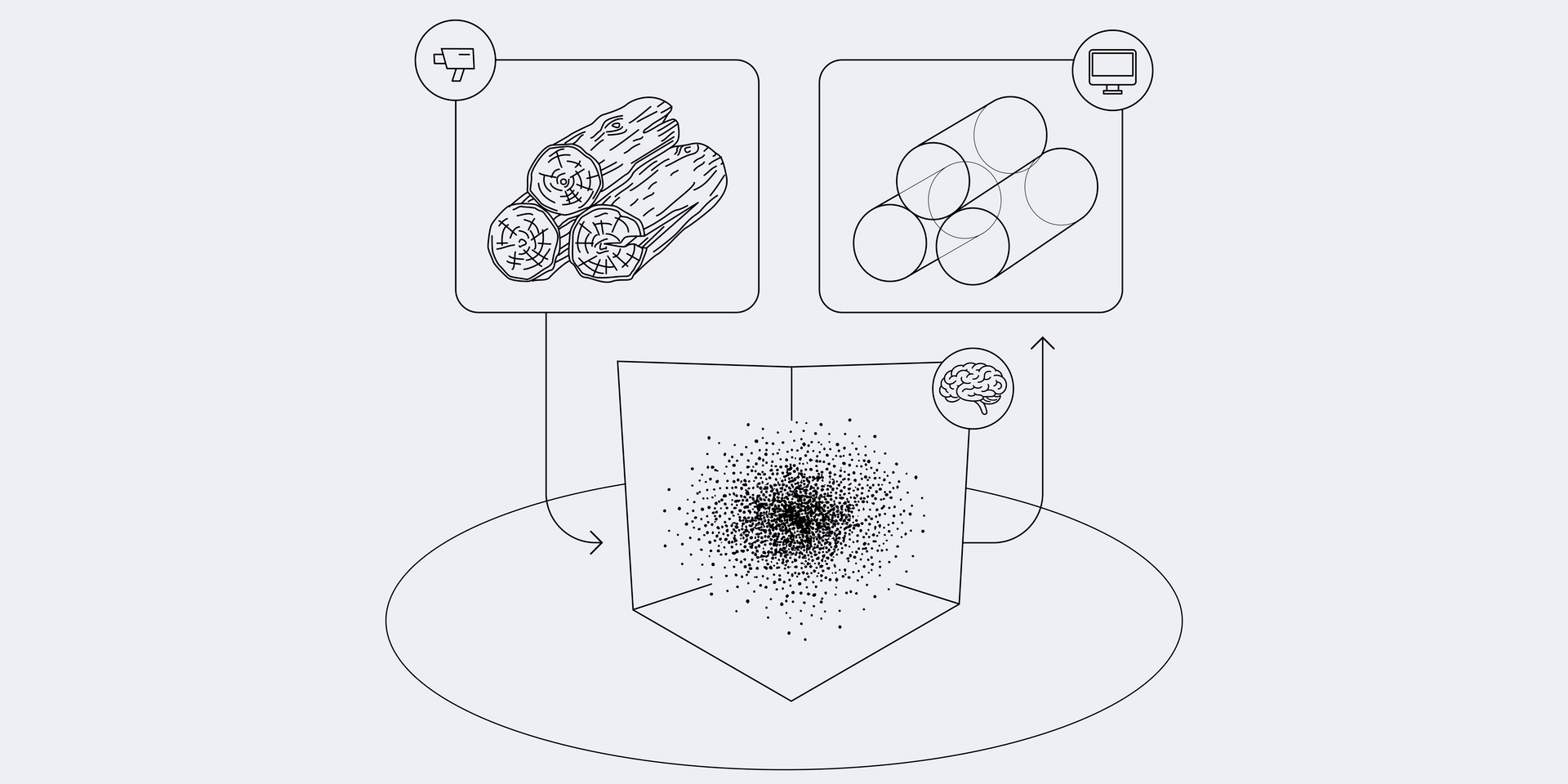
AutoCrane nutzt visuelle und LIDAR-Informationen, um Objekte zu erkennen und bei der Fahrt eine Karte des Arbeitsbereiches zu erstellen. So identifiziert AutoCrane Lasten, Fahrzeuge und andere Objekte, auf die das System trainiert wurde. Die hochentwickelte kognitive Architektur von AutoCrane setzt Wahrnehmung und Analyse in hocheffiziente Bewegungsinstruktionen um.
MehrIndustrial AI-Architektur nach dem BDI-Modell
Die kognitive Architektur von autonomen Kranen
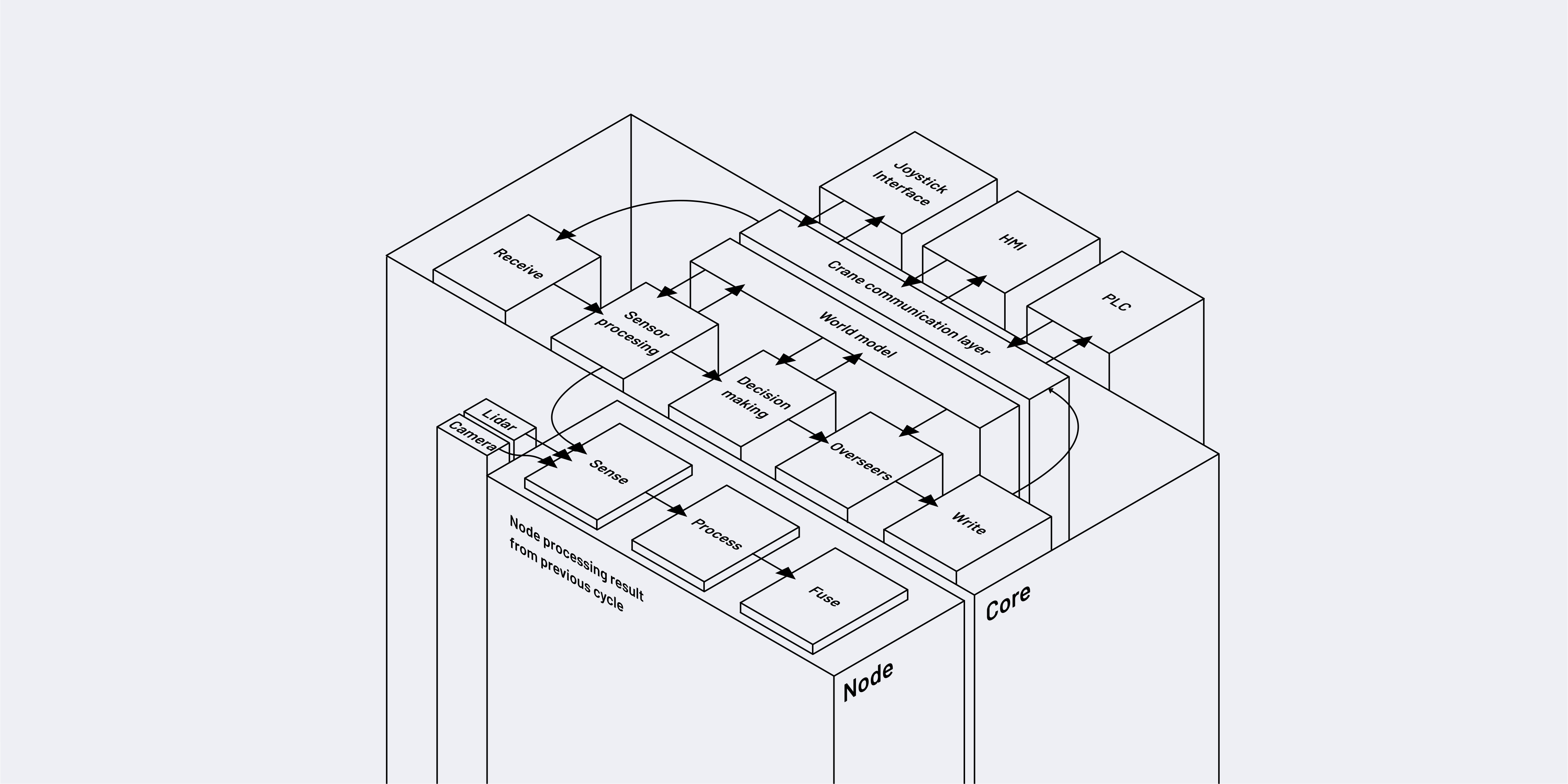
Die kognitive Architektur von AutoCrane basiert auf dem BDI-Modell. Diese Architektur für kognitive Systeme simuliert ein menschenähnliches Entscheidungsverhalten: Beliefs repräsentieren das Wissen des Systems über die Welt, Desires beschreiben die anzustrebenden Zustände, und Intents sind die konkreten Pläne, die aktuell ausgeführt werden.
Mehr